Wound healing is a complex process that requires the right balance of protection, moisture, and care. At Central Iowa Compounding, we work with healthcare providers to prepare customized wound care formulations designed to meet the individual needs of patients with acute or chronic wounds. Compounding allows for flexibility in the choice of ingredients, strengths, and dosage forms, ensuring that therapies can be tailored to the unique needs of each wound and patient.
Wounds can result from a variety of causes, such as injury, surgery, infection, poor circulation, or chronic conditions, and may require different approaches at each stage of the healing process. Customized compounded medications can be formulated as creams, gels, sprays, irrigations, or topical powders based on the type of wound being treated.
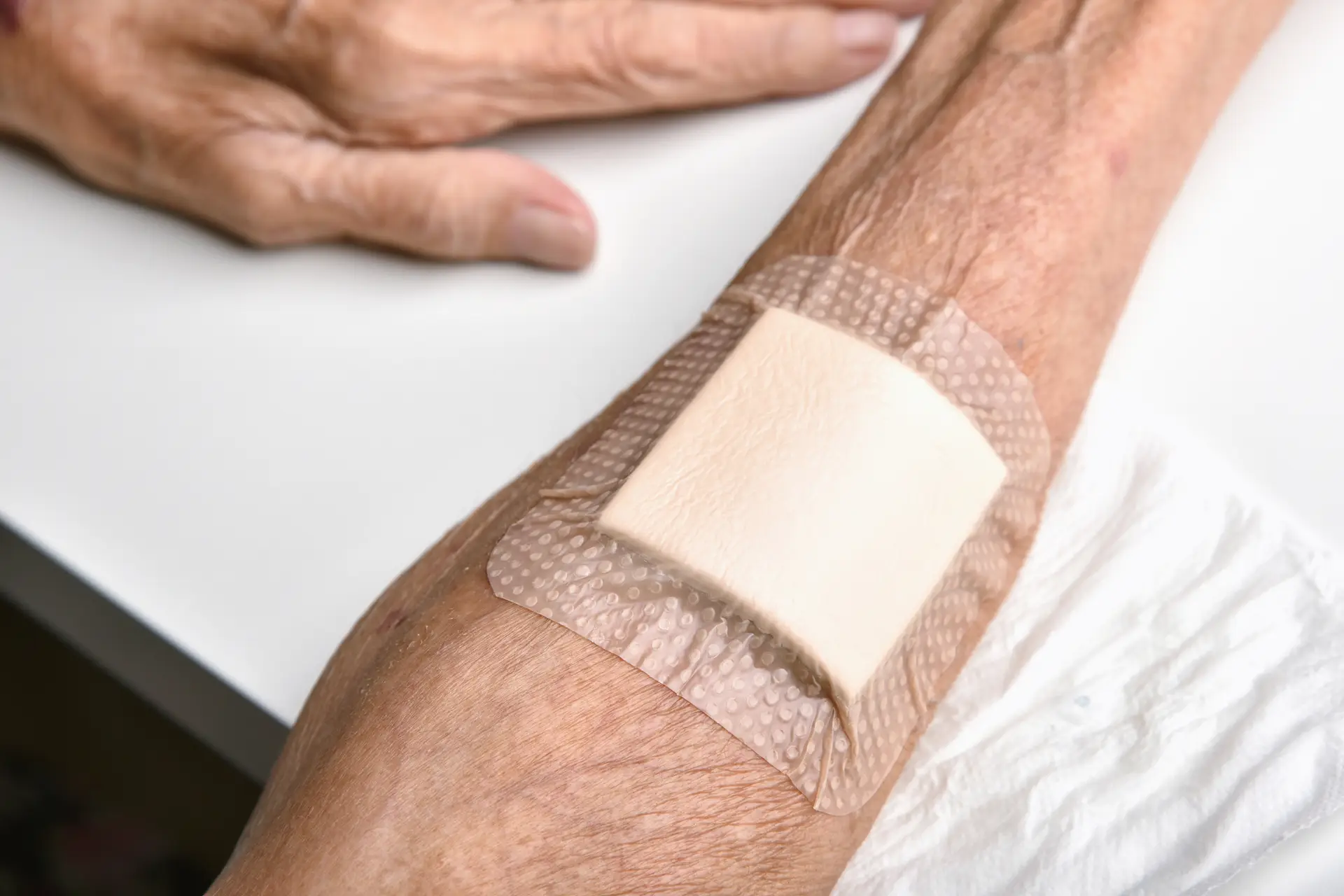
Hemostasis – The first stage begins immediately after injury, when the body works to stop bleeding and form a clot to seal the wound.
Inflammation – The area may appear red or swollen as the immune system removes bacteria and damaged tissue, setting the stage for repair.
Proliferation – New tissue and blood vessels begin to form, covering the wound and strengthening the affected area.
Maturation (Remodeling) – Collagen remodeling strengthens the tissue, and the wound fully closes, though this stage may take several weeks or months.
Pressure Ulcers (Bedsores) – Caused by prolonged pressure, often requiring specialized topical care.
Diabetic Ulcers – Resulting from circulation and nerve issues, these wounds can benefit from customized formulations to support local treatment.
Venous Stasis Ulcers – Typically appearing on the lower legs, often needing individualized topical approaches.
Post-Surgical Wounds – Surgical sites that require precise local care as they heal.
Burns and Abrasions – Topical preparations can be compounded to help soothe and protect the affected skin as directed by a healthcare provider.
Infected or Slow-Healing Wounds – Compounded options may include prescriber-selected ingredients that target local bacterial or fungal involvement.
At Central Iowa Compounding, our pharmacists collaborate with physicians, surgeons, podiatrists, and wound care specialists to develop medications in forms such as creams, ointments, irrigations, gels, or sprays that can be applied directly to the wound bed or surrounding tissue. Each formulation can be customized according to the prescriber’s specifications and the patient’s condition.
Have questions about Wound Care or want to learn more about compounded medications?
Visit or call Central Iowa Compounding Pharmacy to speak with our compounding specialists today.
Friday, April 3rd: 9am – 3pm
Saturday, April 4th: Closed
Sunday, April 5th: Closed
Saturday, May 23rd: Closed
Sunday, May 24th: Closed
Monday, May 25th: Closed
Friday, July 3rd: 9am-3pm
Saturday, July 4th: Closed
Sunday, July 5th: Closed
Saturday, September 5th: Closed
Sunday, September 6th: Closed
Monday, September 7th: Closed
Thursday, November 26th: Closed
Friday, November 27th: 9am – 2pm
Saturday, November 28th: 9am – noon
Thursday, December 24th: Closed
Friday, December 25th: Closed
Saturday, December 26th: Closed
Saturday, December 27th: Closed
Thursday, December 31st: Closed
Friday, January 1st: Closed
Saturday, January 2nd: Closed
Sunday, January 3rd: Closed